Novo Trade Logo Novo Trade Contact Us

Getting Started with Commodity Markets

Your beginner's guide to understanding how commodities work, why traders care about them, and how to start learning about these essential global markets.

11 min read Beginner Level March 2026
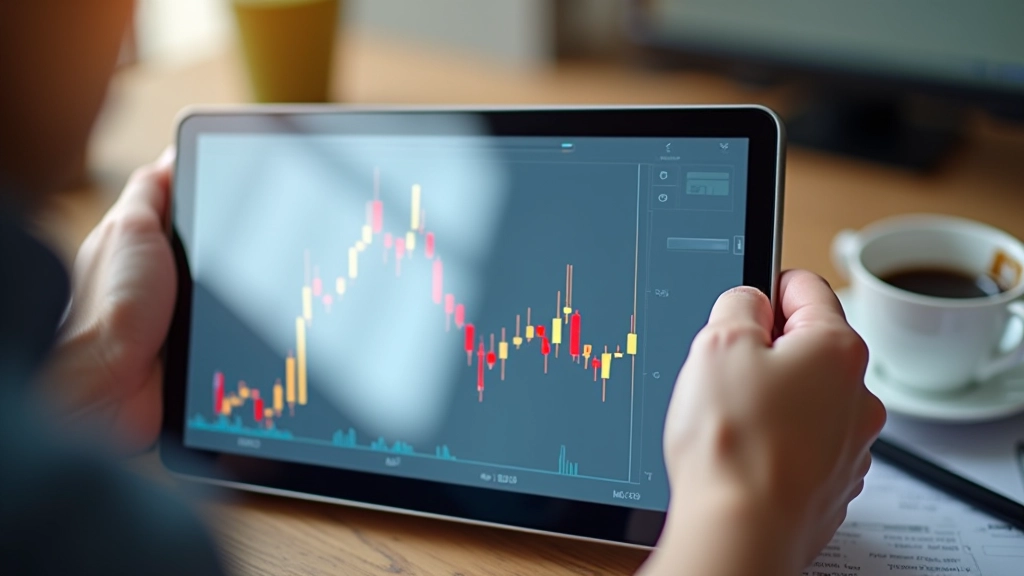
Financial chart displaying commodity price movements and market trends over time

What Are Commodities?

Commodities are basic goods and raw materials that people trade on global markets. Think oil, gold, wheat, or coffee. They're traded in massive quantities every single day, and understanding how they work opens up a whole new world of financial markets.

The cool part? Commodity prices affect everything around you — from the petrol at your local pump to the price of bread on supermarket shelves. That's why learning about them matters, whether you're interested in trading or just want to understand how global markets function.

"Commodities are where global supply and demand meet real economics. They're not abstract — they're tangible goods that drive world trade."

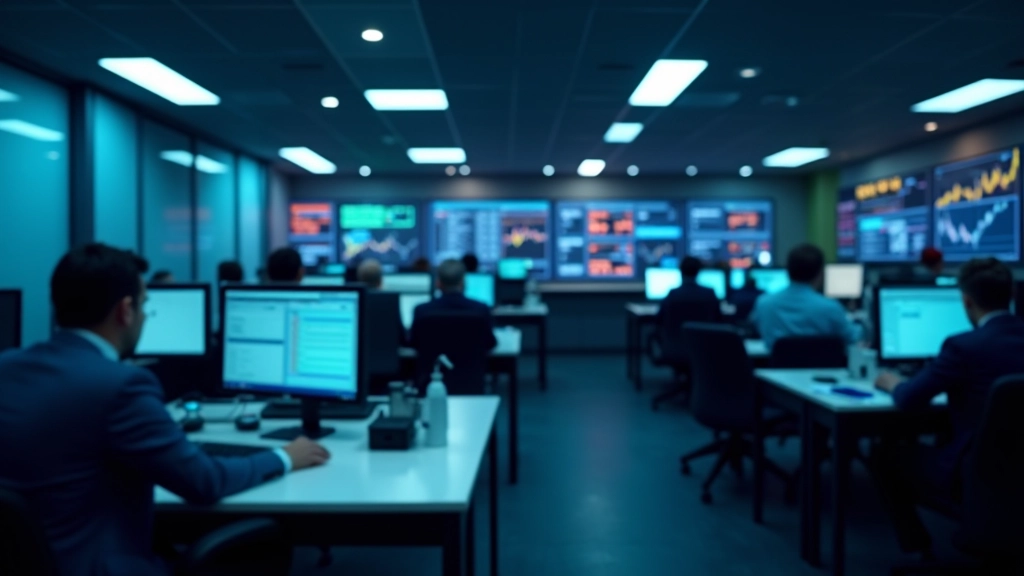
Overhead view of commodity trading floor with multiple monitors displaying live market data and price charts

The Main Types of Commodities

Commodities fall into four broad categories. Let's break down what makes each one tick.

Energy

Crude oil, natural gas, and petrol. These drive global economies and prices move constantly based on supply concerns, geopolitical events, and seasonal demand shifts.

Precious Metals

Gold, silver, and platinum. Investors use these as safe havens during uncertain times. Gold especially tends to move opposite to stock markets — when stocks fall, gold often rises.

Agriculture

Wheat, corn, soybeans, coffee, cocoa. Prices depend on weather, harvests, and global demand. A bad harvest in one country can affect prices worldwide.

Industrial Metals

Copper, aluminum, nickel. These are used in manufacturing and construction. They're sensitive to economic growth — when the economy's strong, demand rises.
How Commodity Markets Actually Work

Commodity markets operate differently from stock markets. You're not buying shares in a company — you're trading actual goods (or contracts representing them). Most people don't trade physical commodities directly. Instead, they use futures contracts.

A futures contract is an agreement to buy or sell a commodity at a set price on a specific date in the future. For example, a wheat farmer might lock in a price for their harvest months before it's ready. That's hedging. A trader might speculate on price movements without any intention of taking physical delivery.

Prices move based on supply and demand, economic data, weather patterns, geopolitical events, and investor sentiment. When supply gets tight, prices typically rise. When demand weakens, prices fall. It's that fundamental dynamic that creates opportunities — and risks.

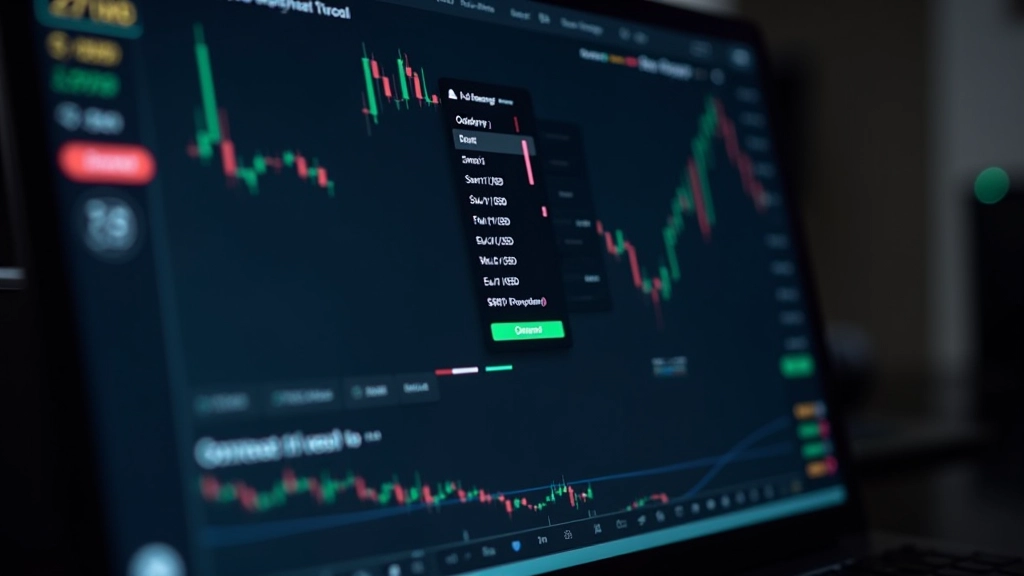
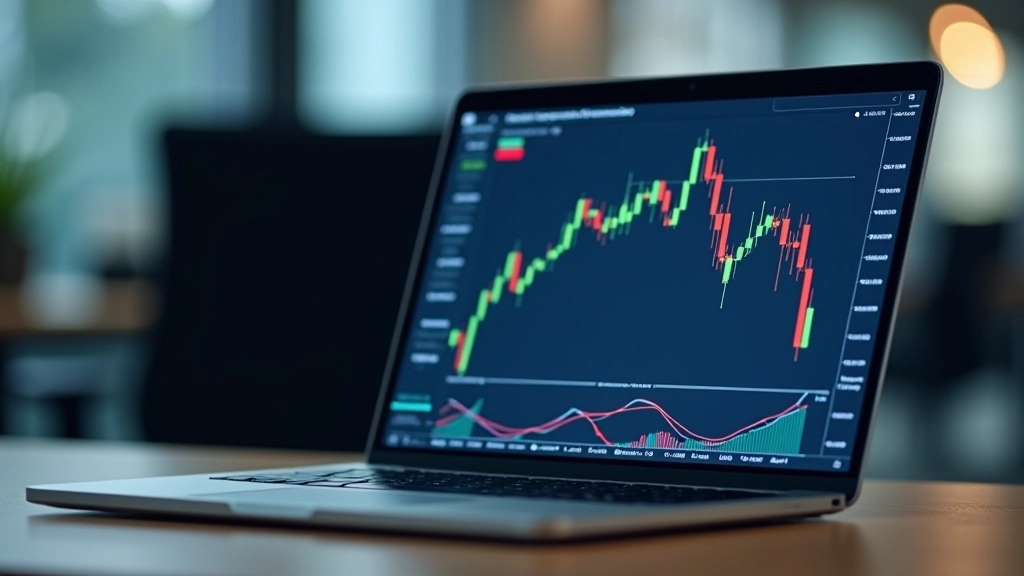
Laptop screen showing commodity futures contract details with price charts and order entry form

Getting Started: Your First Steps

Here's what you actually need to do before trading anything.

01

Learn the Basics

Understand what commodities are, how they're priced, and why they move. Read articles, watch educational videos, and take free courses. You're doing this right now by reading this guide.

02

Choose What Interests You

Do you want to focus on energy, metals, or agriculture? Each has different characteristics. Energy is more volatile. Agriculture is seasonal. Pick something that interests you and dive deeper.

03

Paper Trade First

Most brokers offer practice accounts with fake money. Use this to place trades without risking anything real. You'll learn how orders work, how prices move, and what happens when the market goes against you.

04

Start Small

When you move to real trading, don't risk large amounts. Trade one contract. Make small moves. You'll learn more from consistent small experience than you will from one big trade.

Key Concepts You Need to Know

There's some terminology that comes up constantly in commodity trading. Don't get intimidated — these concepts are simpler than they sound.

Spot Price

The current market price for immediate delivery. This is what you see quoted on financial news sites — "Gold is trading at $2,050 per ounce."

Contango and Backwardation

When future prices are higher than spot price, that's contango. When they're lower, it's backwardation. These matter because they affect the cost of holding positions over time.

Volatility

How much a price moves. Energy commodities are typically more volatile than agricultural ones. Higher volatility means bigger price swings — more risk but also more opportunity.

Leverage

You don't need the full contract value to trade. You put down margin (like a deposit), and your broker finances the rest. This amplifies both gains and losses.

Notebook with handwritten trading notes and calculations, pen, and coffee cup on wooden desk

Your Next Move

Commodity markets aren't as complicated as they might seem from the outside. They're driven by real supply and demand, by actual events in the world — weather affecting harvests, geopolitical tensions affecting oil supplies, economic growth affecting industrial metals demand.

The best approach is to start learning, get your hands dirty with paper trading, and build your knowledge gradually. Don't rush into real trading until you're genuinely comfortable with how these markets work. The market will still be there when you're ready.

Educational Disclaimer

This guide is for educational purposes only. It's not financial advice, and it's not a recommendation to trade or invest in any specific commodity. Trading commodities involves substantial risk, including the potential loss of your entire investment. Market conditions vary, and past performance doesn't guarantee future results. Always do your own research, understand the risks involved, and consider consulting with a qualified financial advisor before making any trading decisions. NovoTrade and this guide are educational resources meant to help you understand markets — they're not trading recommendations or guarantees of any kind.