Reading Candlestick Patterns Like a Pro
Understand the most common candlestick formations — from dojis to engulfing patterns — and what they signal about market direction.
Why Candlesticks Matter
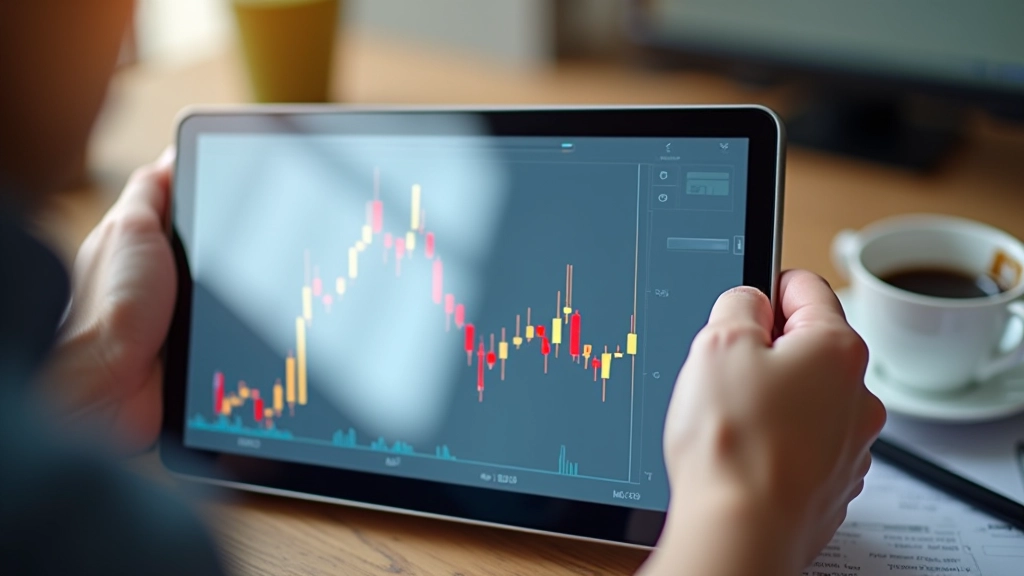
When you're starting out in trading, candlesticks can look confusing. Those little rectangles with lines sticking out — what do they actually mean? Here's the thing: they're one of the clearest ways to see what traders are thinking. Each candlestick shows you the opening price, closing price, highest price, and lowest price for a specific time period. That's a lot of information packed into a small visual.
The patterns these candlesticks form tell stories. They reveal moments when buyers and sellers are fighting for control. Once you learn to spot these patterns, you're essentially reading the market's mood. You'll understand when momentum's building, when uncertainty's creeping in, and when a reversal might be coming. It's not magic — it's just visual price action telling you what's really happening.

Core Patterns
The Essential Candlestick Formations
Doji
The doji shows indecision. Opening and closing prices are almost identical, leaving just a small body with long wicks above and below. You'll see this when buyers and sellers are evenly matched — nobody's winning. It often signals a potential reversal or a pause in momentum.
Bearish Engulfing
A larger red candle completely covers the previous green candle. This pattern suggests sellers have taken over. You're looking at a potential shift from uptrend to downtrend. The larger the engulfing candle, the more significant the shift in momentum.
Bullish Engulfing
The opposite scenario — a larger green candle completely engulfs the previous red one. This shows buyers stepping in forcefully. It's often found near support levels and can signal the start of an uptrend. Don't ignore this one when you're looking for entry points.
Hammer
Small body with a long lower wick and minimal upper wick. It looks like an actual hammer. The hammer suggests that sellers pushed the price down, but buyers fought back and closed the candle near the open. It's a bullish reversal signal, especially after a downtrend.
Morning Star
A three-candle pattern showing reversal from downtrend to uptrend. First candle is bearish, second is small (gap down), third is bullish. The gap is what makes it special — it creates visual separation. You're watching the market transition from seller control back to buyer confidence.
Harami
A smaller candle contained completely within the previous candle's range. It suggests momentum is slowing down. The word actually means "pregnant" in Japanese — the smaller candle is inside the larger one. It often precedes a reversal or consolidation period.
How to Actually Read These Patterns
Reading a pattern isn't just about recognizing the shape. You've got to look at the context. Where is this pattern showing up on the chart? Is it near a support or resistance level? What was the trend before the pattern appeared? These details change everything about what the pattern means.
The timeframe matters too. A pattern on a 1-minute chart is noise. A pattern on a 4-hour or daily chart? That's worth paying attention to. The longer the timeframe, the more significant the pattern. Traders with bigger positions are looking at those longer timeframes, so that's where the real moves happen.
Don't trade on patterns alone. Combine them with other indicators — support and resistance levels, volume, moving averages. A bullish engulfing pattern near a major support level has way more power than one in the middle of nowhere. The pattern is just one piece of the puzzle. Context is everything.

Common Pitfalls
Mistakes Beginners Make with Patterns
01
Ignoring the Bigger Picture
You spot a bullish hammer and immediately go long. Then the price drops 5% in the next hour. What happened? You didn't check the daily chart. The bigger trend was still down. That hammer might've been a false bottom. Always zoom out before trading a pattern you see on a smaller timeframe.
02
Waiting for Perfect Pattern Confirmation
You see a doji forming but wait for it to fully close. By the time you enter, price has moved 2% already. Patterns work because they signal what's happening — you don't need to wait for complete closure to react. Get in early, but don't jump the gun either. There's a balance here.
03
Forgetting About Volume
A beautiful engulfing pattern with zero volume behind it isn't reliable. Volume confirms that traders actually care about the move. High volume on a reversal pattern? That's conviction. Low volume? Could be a fake-out. Always glance at the volume bars alongside the candlesticks.

Getting Good at Pattern Recognition
The only way to get good at this is practice. Open a chart. Scroll back through 3 months of price history. How many dojis do you see? Where are the engulfing patterns? What happened after each one? You're building pattern recognition in your brain. It's like learning to spot faces — once you know what to look for, you see them everywhere.
Start with daily charts. They're less noisy and patterns are clearer. Once you're comfortable identifying patterns on daily timeframes, move to 4-hour charts. Don't jump straight to 1-minute charts — that's where false signals live. Give yourself time to develop the skill properly.
Keep a trading journal. When you spot a pattern, write it down. Note the date, the pair or instrument, what pattern you saw, and what happened next. After a month of this, you'll start seeing which patterns work best in which conditions. You're not memorizing — you're learning through experience.
Key Takeaways
Candlestick patterns show you where the battle between buyers and sellers is happening — they're visual price action.
Master the basics first: doji, engulfing patterns, hammer, and morning star. These six cover most of what you'll see.
Context matters more than the pattern itself. Check the bigger trend, support/resistance levels, and volume before trading.
Practice on daily charts first. Build your pattern recognition skills before moving to faster timeframes.
Patterns are tools, not guarantees. Combine them with other analysis — support levels, volume, trend direction.
Ready to Explore More?
Candlestick patterns are just one piece of trading literacy. Learn about market structure, order types, and how to spot trading opportunities with confidence.
Explore All GuidesEducational Information
This content is provided for educational purposes only. Understanding candlestick patterns is foundational knowledge for traders, but it's not financial advice and shouldn't be treated as a trading strategy or recommendation. Market conditions vary, and past patterns don't guarantee future results. Always conduct your own analysis, manage your risk responsibly, and consider consulting with a financial advisor if you're planning to trade real money. Trading involves real risk of loss.
Continue Your Learning